I offer bespoke individual therapy to adults and young people. Sessions are provided online in English and Italian.

Therapeutic work begins with a two-session assessment phase to establish a clear understanding of the person’s difficulties and the direction of the work.

I maintain a limited number of clinical sessions each week to preserve the depth, continuity and quality. Enquiries can be made via the contact form.

About

I trained and began clinical work in Italy before moving to London in 2013. Over the past fifteen years, I have worked with adolescents and adults experiencing a range of eating difficulties, from early presentations to more complex patterns. 

Experience across different clinical and cultural contexts has shaped the way I understand psychological difficulties and their relational and social influences.

After completing a PhD in Psychological Medicine at King’s College London, I contribute to the training and supervision of clinical psychologists on doctoral training programmes.

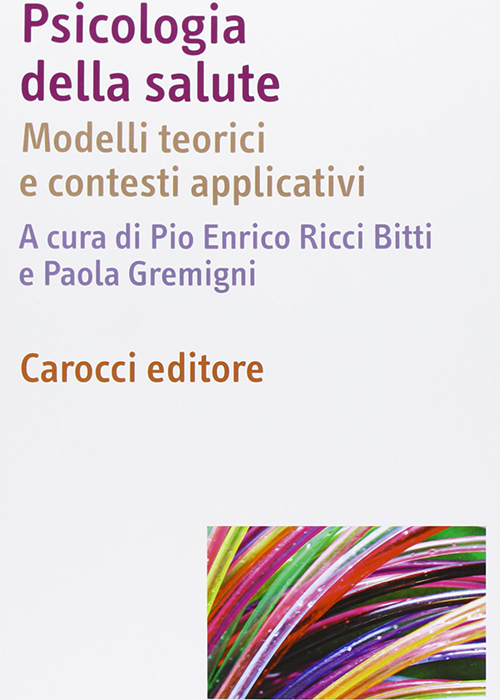
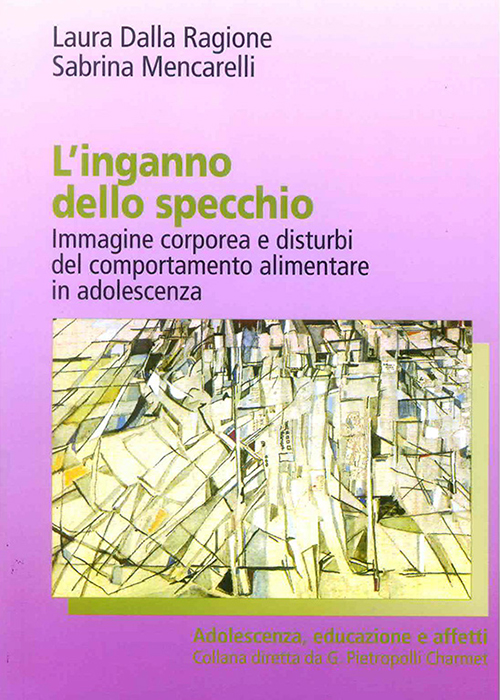
My work brings together research and sustained clinical experience, while remaining attentive to the individual rather than confined to a single model. I have published on the assessment and treatment of eating disorders.

A full CV is available on request.

Eating Disorders

Eating disorders can take different forms — restriction, bingeing, cycles of control and loss of control, or an increasingly rigid way of eating. What they often share is one element: food begins to take up too much mental space.

When thoughts about eating become constant and intrusive, the difficulty is no longer only about food. It begins to affect identity, relationships and the way a person relates to themselves.

Food is not only nutritional. It is also social, cultural and relational. From the beginning of life, it is linked to care, trust and connection. For this reason, difficulties with eating can reflect tensions around autonomy, belonging, pleasure, control and vulnerability.

Therapy focuses on understanding how these patterns developed and what they have come to represent in a person’s life. The aim is not simply to remove symptoms, but to support the development of a more authentic sense of identity. The work often involves exploring the dialogue between a person’s internal experience and the external world, and the balance between two fundamental needs: belonging and individual identity.

A more detailed reflection on the psychological meaning of eating is available in this article.

Publications

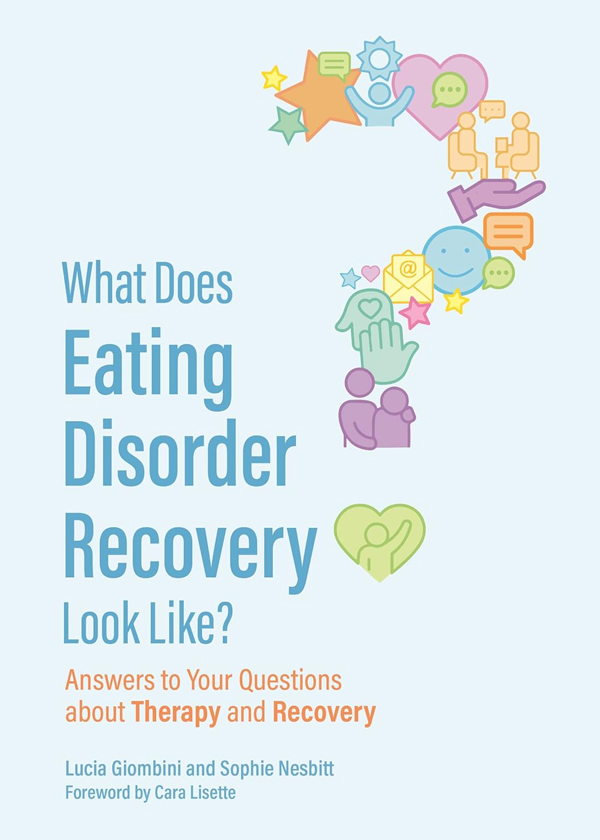
Lucia Giombini publication 1
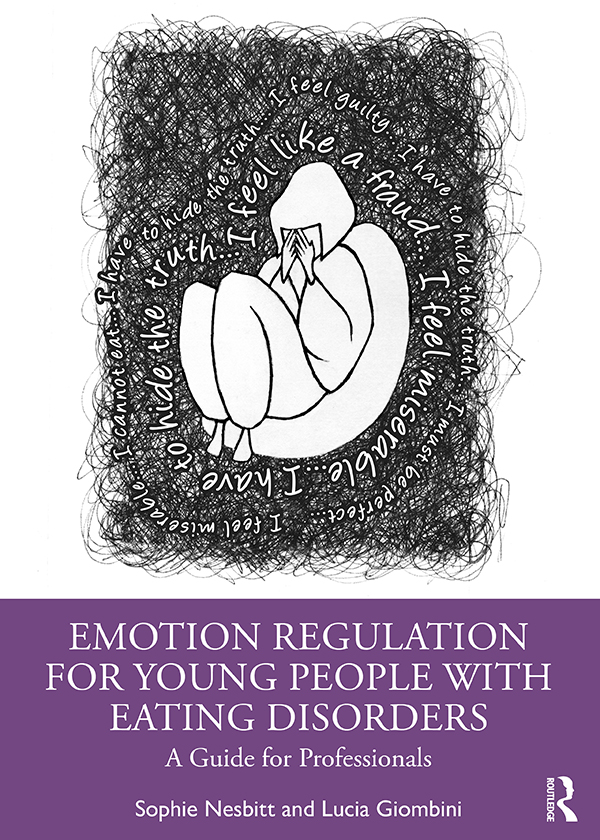
Lucia Giombini publication 3
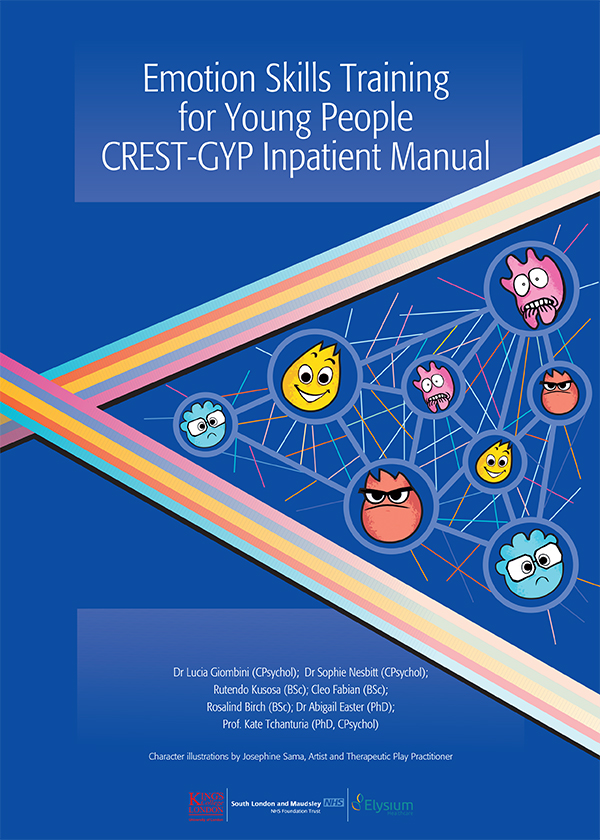
Lucia Giombini publication 4
Lucia Giombini publication 5

Contact

If you would like to arrange a consultation or enquire about clinical supervision, please send an email using the address below. I aim to respond within two working days.